
What to expect at Brain Balance Utah
Brain Balance is a comprehensive, non-medical program designed to strengthen the connections between your child's brain and body.
How the Brain Balance journey works
From your very first phone call to celebrating milestones, here is what you and your child can expect.
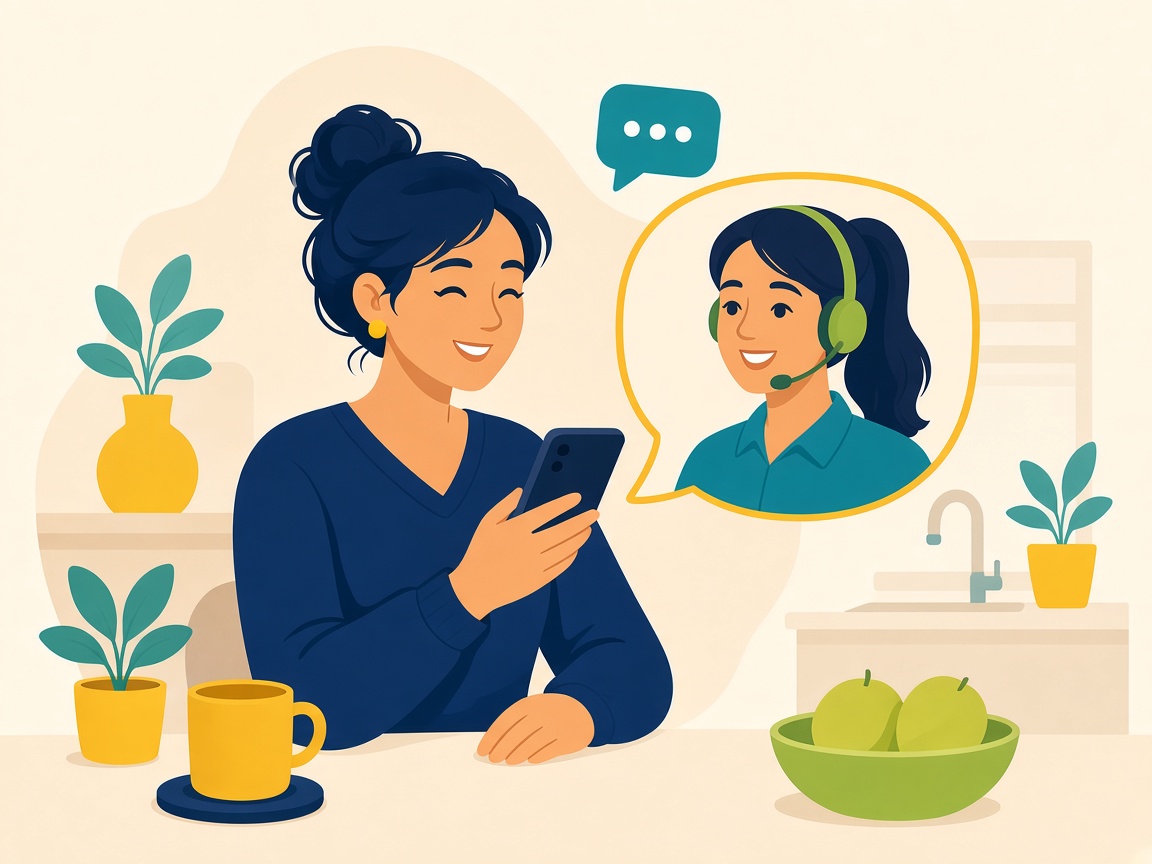
Talk with our team
Fill out the form or call. A team member from your Utah center will reach out to personally discuss your child's challenges.
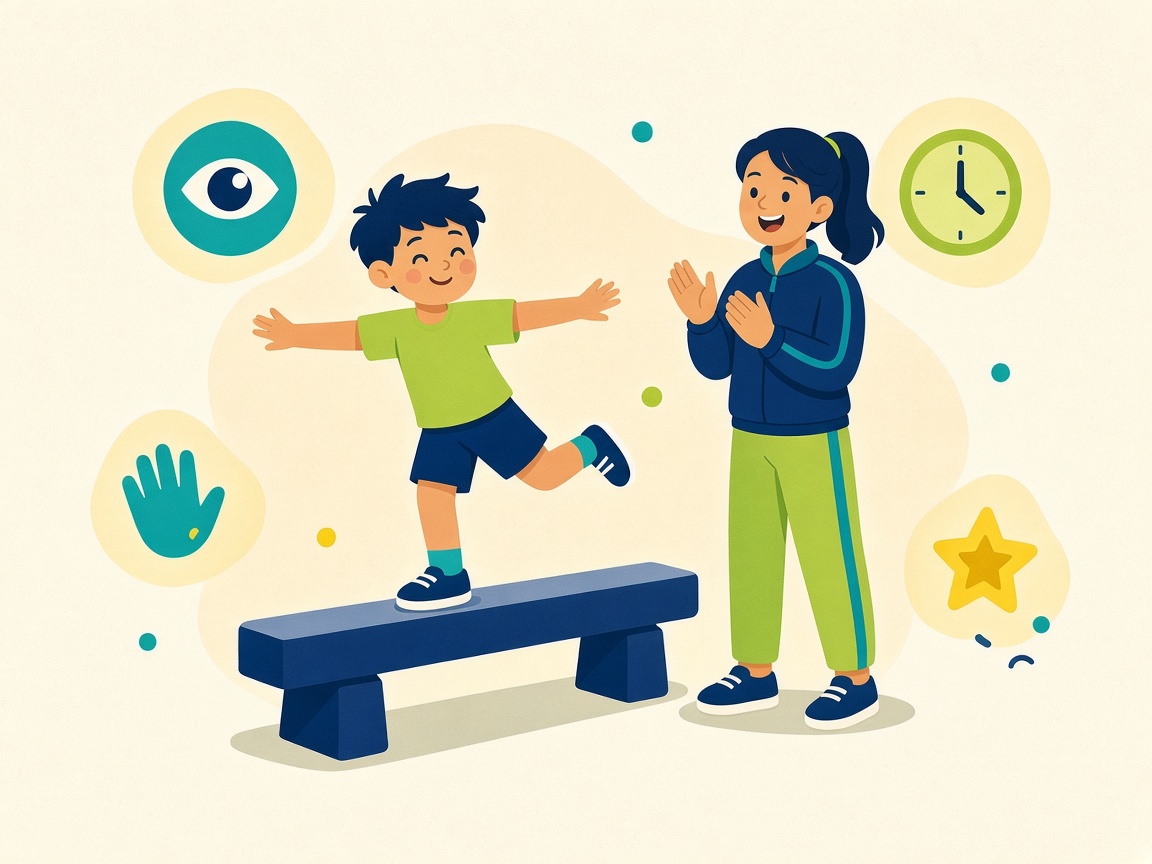
The Assessment (about 2 hours)
Sensory, motor and cognitive activities across six brain domains. It's engaging, and kids often think it's fun.

Your results, explained
A Brain Balance specialist walks you through the results in plain language: where your child is, what the gaps are, and why the struggles you see are connected.

Your personalized plan
If Brain Balance is right for your family, we'll build a program around your child's profile. If it isn't, we'll tell you that too.
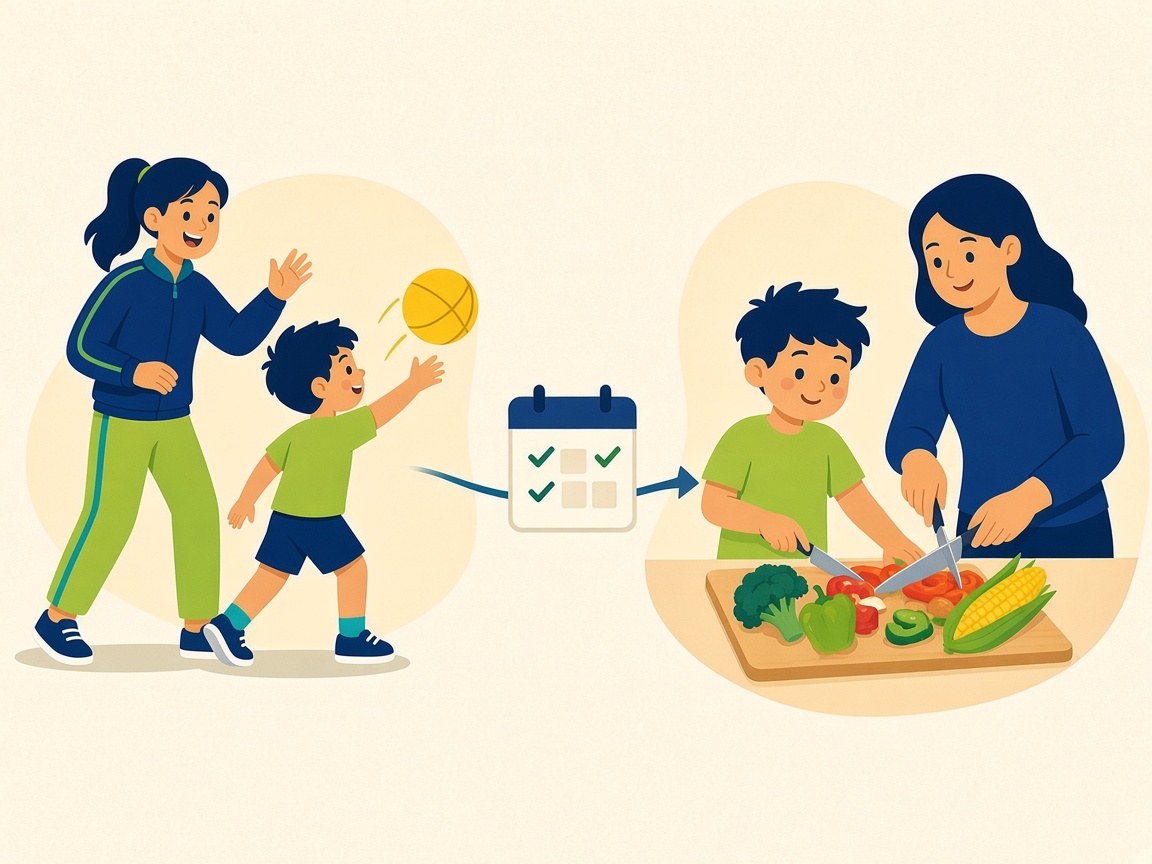
Coaching + at-home routine
In-center sessions with our coaches three times per week (or a parent-led at-home virtual option with weekly video check-ins), plus 1:1 nutrition coaching.
One session. Six brain domains. One clear picture.
The assessment takes about 2 hours and looks underneath observable behaviors to identify how the brain is processing and connecting information.
Eye tracking: accuracy, tracking, reading metrics, processing speed. Gaps in this domain often present as everyday struggles in school, sports, home tasks, or emotional self-regulation.
What the Assessment Is & Is NOT
→ It's an encouraging developmental snapshot.
→ It's a comprehensive brain function profile.
→ It's a look underneath what's driving observable symptoms.

Is there research behind the program?
In an independent, exploratory study by researchers at Harvard Medical School's McLean Hospital (Psychiatry Research, 2023), children with ADHD showed a drop in symptoms comparable to low-dose stimulant medication after 15 weeks, and the gains held at a 7-month follow-up. In a study with Cambridge Brain Sciences (2021), children improved on all 12 cognitive tasks after three months, compared with a control group.
Individual results may vary.
Schedule your discovery call
Tell us a little about your child and we'll reach out to set up your discovery call.