
Help for Anxious Kids & Teens in Utah
When worry and big emotions run the day, it's hard to know how to help. Maybe your child can't separate from you at drop-off, gets stuck on what-ifs at bedtime, or your teen has started avoiding friends and new situations.
Anxiety and repeated worrisome thoughts are struggles we see every day with the families we help. A child's ability to regulate anxiety and worry less relies heavily on brain maturity and connectivity, so that's where Brain Balance starts. Our program focuses on building brain connectivity and the foundation of development, rather than only teaching coping strategies.

Brain Balance is not a crisis or medical service. If your child is talking about harming themselves or is in immediate danger, call or text 988 (Suicide & Crisis Lifeline, free and confidential, 24/7) or call 911. 988.
Is there a non-drug option for child anxiety in Utah?
Brain Balance of South Jordan and the Brain Balance Center of Utah Valley in Orem offer a drug-free, non-medical program that combines sensory engagement, physical development exercises, cognitive activities and healthy nutrition to strengthen the brain pathways involved in handling stress. It is not counseling or a crisis service, it doesn't diagnose, and it can work alongside the care your child already has.
Sound familiar?
Anxiety shows up differently at different ages. Here's what parents often notice.
Ages 4 to 7
- Hard time separating from you at drop-off or bedtime
- Big reactions to small changes
- Strong reactions to loud noise or strong smells
- Trouble settling down or sleeping
Ages 8 to 12
- Worry that gets in the way of routines
- Perfectionism or pressure that makes homework feel impossible
- Cries, yells or goes quiet when stressed
- Gets stuck on worries they can't let go of
Teens (13 to 18)
- Avoids new situations or people
- Social anxiety around school, friends or events
- Shuts down or reacts outwardly under stress
- Emotional volatility as expectations rise
What's happening in the brain
We all feel stress, but not all of our bodies react to it the same way. Research has shown that immaturities in neurological development, specifically in the autonomic nervous system, can make it harder to regulate emotional responses, which can show up as anxious and nervous feelings.
Anxiety is also closely linked to sensory processing. Children who react strongly to loud noise or strong scents may have bigger stress responses. Others feel overwhelmed and act out by crying or yelling, or withdraw and become quiet.
How the Brain Balance program helps
- 1
A gentle assessment (about 2 hours)
The activities don't feel like a test, and there are no wrong answers. We look at six brain domains, including Sensory & Motor (balance, vestibular function, sensory processing) and Rhythm & Timing, to find the areas of immaturity.
- 2
A personal plan
Sensory engagement exercises, physical development exercises, cognitive activities and healthy nutrition, chosen to strengthen the pathways behind calm and confidence.
- 3
Coaching every week
Three in-center sessions with our coaches, about an hour each, or the parent-led at-home virtual option with weekly video check-ins.

OCD tendencies & repetitive behaviors
Stuck on rituals, rules or worries they can't let go of? Repetitive behaviors often trace back to how the brain is developing, and that's where we start.
- Repeats rituals like checking, counting or arranging
- Gets stuck on worries or thoughts they can't let go of
- Big upsets when routines or rules change
- Rigid habits that get in the way of friends and family time
Repetitive behaviors are characteristic of a variety of differences in brain development, such as ASD, ADHD or OCD. Rigid rituals can get in the way of the social contact kids need to build friendships, and interrupting a ritual can cause real emotional upheaval. It's not your child's fault.
Our assessment looks at how the brain is processing and regulating, then we build a personal plan of sensory-motor, cognitive and nutrition activities to strengthen the connections behind flexibility and calm. No diagnosis required. If your child already works with a doctor or therapist for OCD, keep that care in place.
What the research says
A review of four years of parent surveys (2015 to 2018, 25,206 enrolled students ages 4 to 17) found that after 5 to 6 months in the program, 75% of children showed up to 25% improvement in anxiety and emotional functioning, and 25% showed 60% to 85.7% improvement (Journal of Mental Health and Clinical Psychology, 2020). The 11 areas parents rated included worrying, panic or anxiety attacks, and obsessive thoughts or behaviors.
This was a retrospective study of parent-reported data without a control group.
Individual results may vary.
See all the researchHow the Brain Balance journey works
From your very first phone call to celebrating milestones, here is what you and your child can expect.
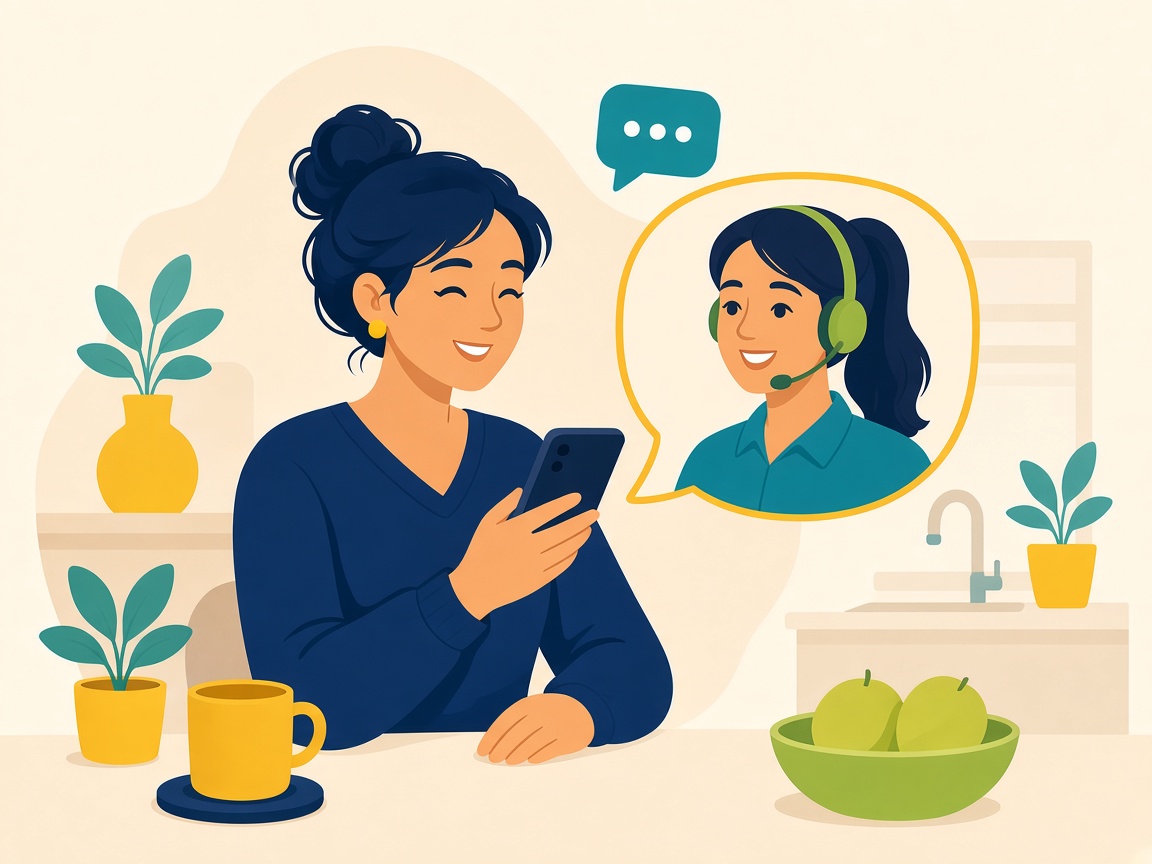
Talk with our team
Fill out the form or call. A team member from your Utah center will reach out to personally discuss your child's challenges.
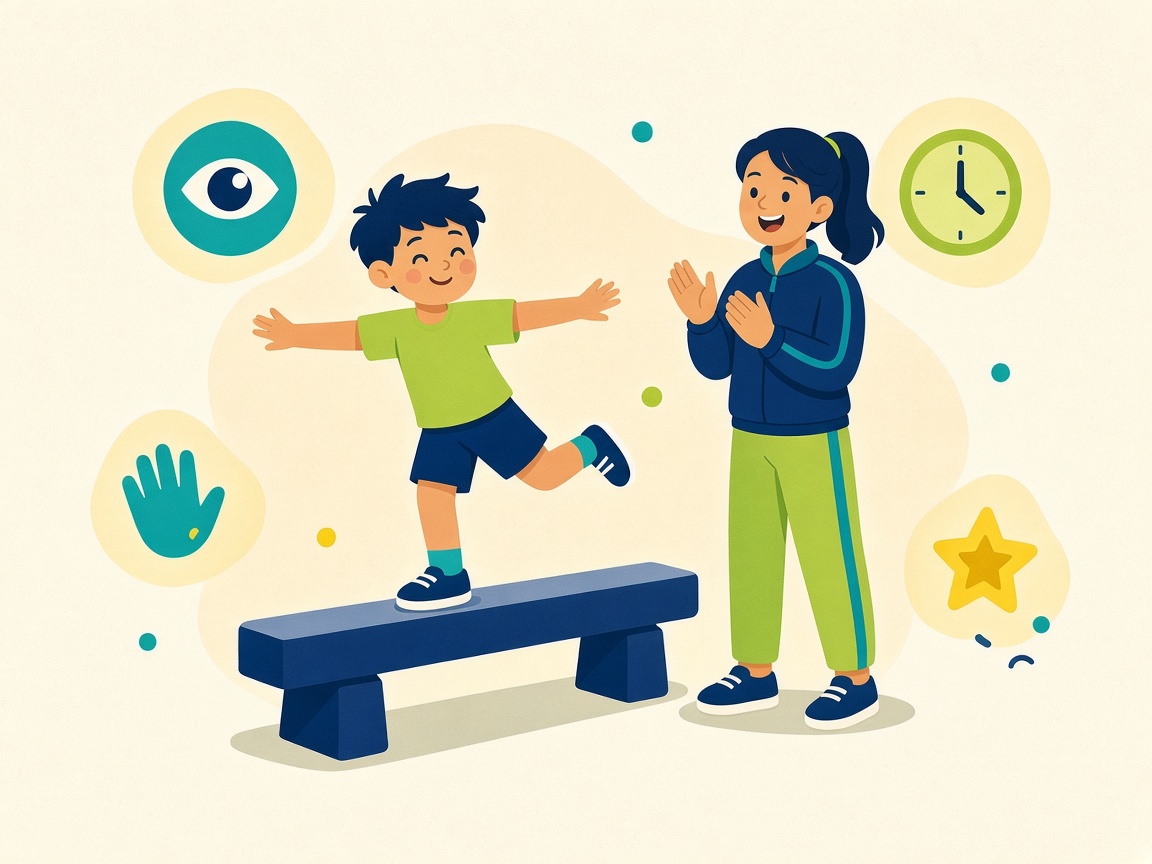
The Assessment (about 2 hours)
Sensory, motor and cognitive activities across six brain domains. It's engaging, and kids often think it's fun.
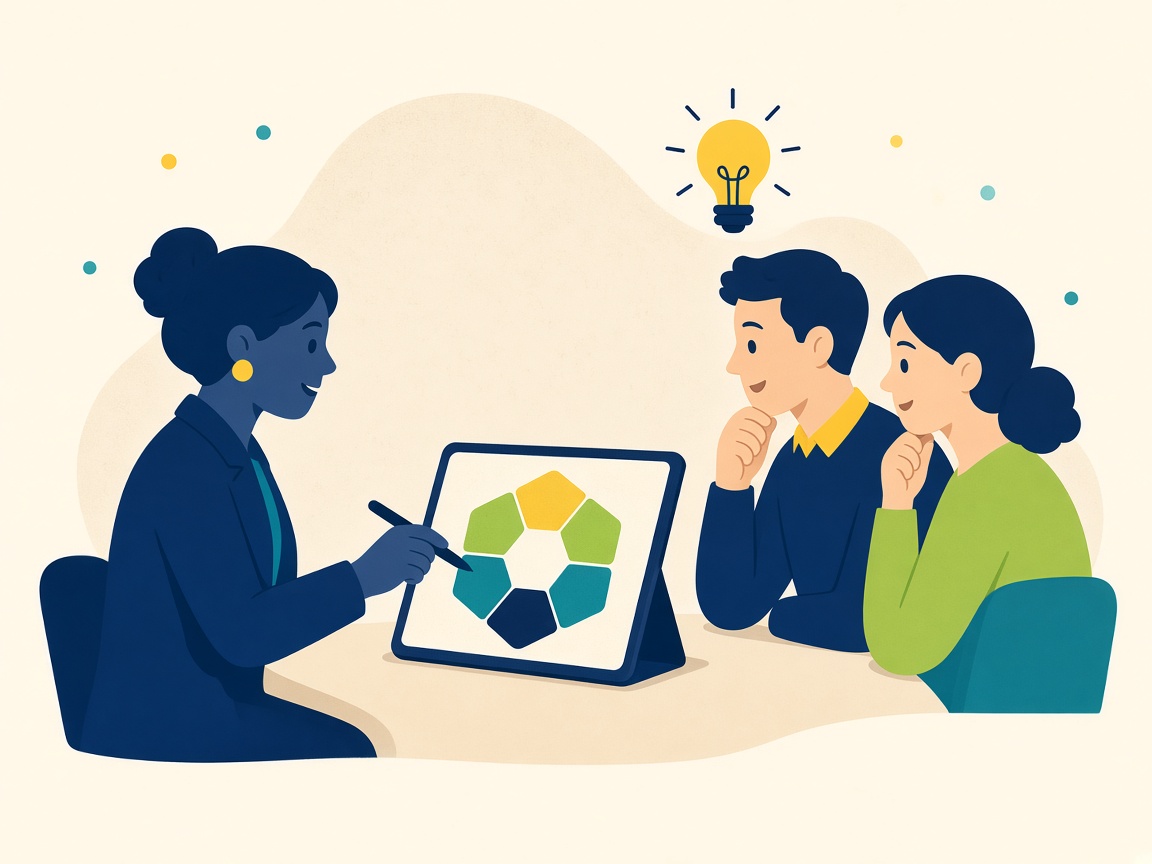
Your results, explained
A Brain Balance specialist walks you through the results in plain language: where your child is, what the gaps are, and why the struggles you see are connected.

Your personalized plan
If Brain Balance is right for your family, we'll build a program around your child's profile. If it isn't, we'll tell you that too.
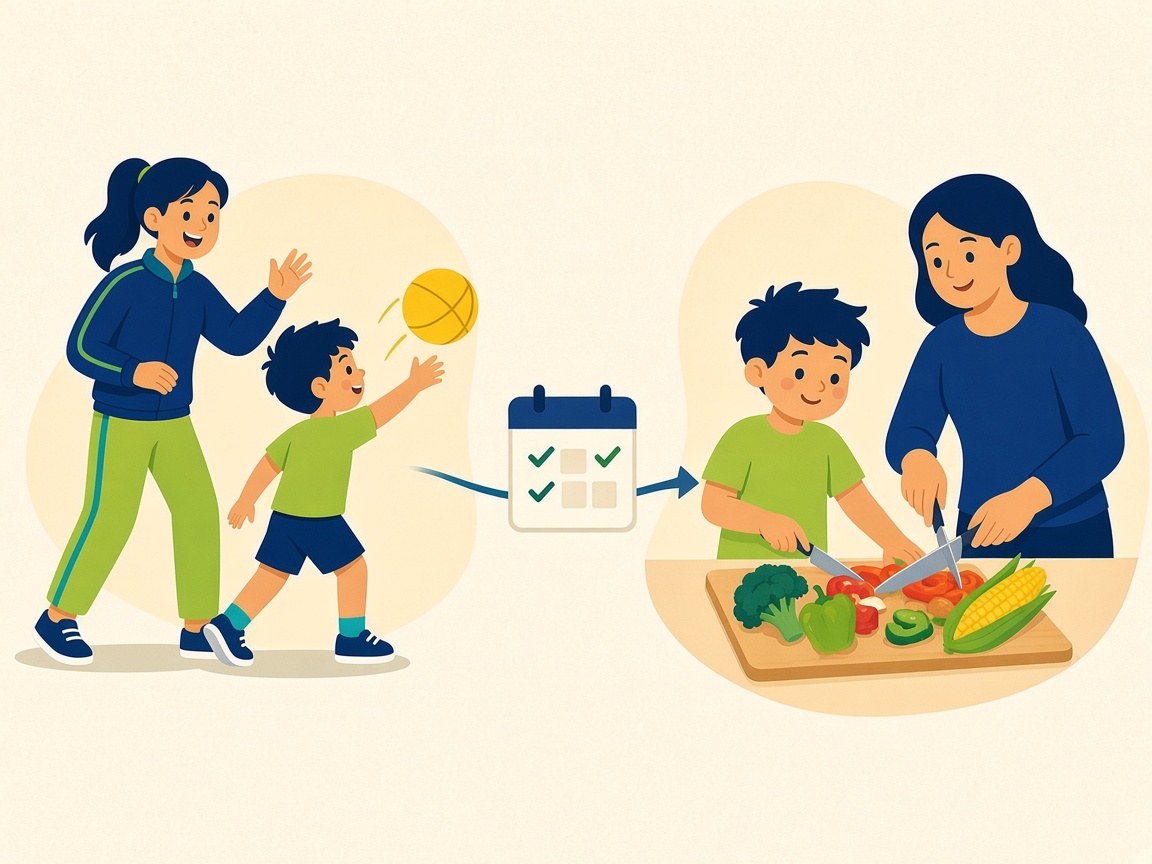
Coaching + at-home routine
In-center sessions with our coaches three times per week (or a parent-led at-home virtual option with weekly video check-ins), plus 1:1 nutrition coaching.
Questions parents ask
No. Brain Balance is a drug-free, non-medical program, not counseling or therapy, and it does not diagnose or treat any disorder. It can work alongside the care your child already receives.
No. Many families who come to us have a diagnosis. Many don't. The assessment doesn't require or produce one.
Yes. People of all ages can benefit from Brain Balance, and we work with kids, teens and adults. Nationally, Brain Balance offers one format designed for ages 4 to 18 and another geared toward adults, so preteens and teens are welcome.
The activities don't feel like a test. There are no wrong answers. Most kids warm up quickly, and some even think it's fun. The assessment takes about 2 hours, and both parents or guardians should attend if at all possible.
Brain Balance is not a crisis service. Call or text 988 (Suicide & Crisis Lifeline, 24/7) or call 911 if your child is in immediate danger.
Brain Balance is not covered by health insurance because it is a non-medical program. Many families use HSA/FSA funds, and we accept Utah Fits All (UEFA) funds at both centers. Flexible payment plans and financing options are available.
Funding options
Every child's program is tailored after the assessment. Here is how Utah families fund their care.
UEFA Funds Accepted
Utah Fits All (UEFA) scholarship funds are gladly accepted at both our Orem and South Jordan centers.
HSA / FSA Commonly Used
Many Utah families utilize Health Savings Accounts or Flexible Spending Accounts to cover assessment and program costs.
Flexible Payment Plans
We offer structured monthly payment schedules and financing options to make program investments manageable.
Non-Medical Program
Brain Balance is not covered by health insurance as we are a non-medical, drug-free developmental program.
South Jordan & Utah Valley (Orem)
Our centers are warm, inviting, sensory-friendly environments designed specifically for children and families.
Brain Balance® Utah Valley
Orem, Provo, Lehi, American Fork, Pleasant Grove, Lindon
Brain Balance® South Jordan
South Jordan, West Jordan, Riverton, Herriman, Sandy, Draper
Schedule your discovery call
Tell us a little about your child and we'll reach out to set up your discovery call.
More ways we help
Big emotions, outbursts and slow recovery? Our drug-free, non-medical program strengthens the brain…
Learn more →
Defiance, outbursts or meltdowns? Our drug-free, non-medical program looks at the brain development beneath…
Learn more →
Plain-language summaries of the Harvard Medical School McLean Hospital ADHD study (2023) and the Cambridge…
Learn more →
A drug-free ADHD program for kids and teens in South Jordan & Orem. Our 2-hour assessment looks at attention,…
Learn more →
Bright but distracted or disorganized? Our drug-free program looks at attention, memory and executive…
Learn more →
Brain Balance is a non-medical program and does not diagnose or treat any disorder. It does not prescribe medication and can work alongside your physician's treatment plan. Individual results may vary.