
Help for Focus, Attention & Executive Function in Utah
Smart but can't focus? Takes hours to finish a short assignment, loses track of multi-step directions, or forgets to turn in homework that's already done? You don't need an ADHD label to get help. The ability to focus and hold attention is the result of development. When there are gaps in development, a child may have a hard time paying attention and retaining what they learn.
Getting started, staying organized and following through are brain skills, and they can be strengthened. At Brain Balance of South Jordan and the Brain Balance Center of Utah Valley, we look at how the brain and body process, coordinate and connect, for kids, teens and adults.

How can I help my child focus without medication?
Start by finding out why focus is hard. The Brain Balance assessment takes about 2 hours and maps six brain domains, including attention, memory, response inhibition and processing speed, the building blocks of executive function. A personal plan of physical, sensory and cognitive activities, plus nutrition, then targets the gaps. It's drug-free and non-medical, and no diagnosis is needed. If ADHD is part of the picture, see our ADHD page.
Sound familiar?
Focus and executive function struggles change as school gets harder.
Elementary school
- Bright but easily distracted
- Loses focus halfway through tasks
- Forgets multi-step instructions
- Trouble remembering what they learned from one day to the next
Middle school
- Takes hours to finish short assignments
- Hard to get started on tasks
- Trouble staying organized
- Homework refusal that looks like laziness
High school and adults
- Time management is a daily struggle
- Procrastination and missing motivation
- Loses track of deadlines and multi-step projects
- Working twice as hard for half the results
Executive functioning covers behaviors, emotions, organization, self-motivation and problem solving. Working memory, the ability to hold and prioritize information in real time, is thought to be a factor for kids who struggle with it.
Why attention depends on development
The more mature a child's development, the better their ability to focus and pay attention, which affects schoolwork as well as friendships. Research has shown that focus struggles may be linked to weak connections across different regions of the brain. The good news is that the brain can change in a way that may lead to improvements.
How the Brain Balance program helps
- 1
An assessment of six brain domains (about 2 hours)
Including Cognitive (attention, memory, response inhibition, reaction time, processing speed), Visual Motor (eye tracking, reading metrics, processing speed) and Rhythm & Timing (coordination, focus and executive functioning).
- 2
A personal plan
Physical, sensory and cognitive activities that help build stronger connections across different regions of the brain, plus 1:1 nutrition coaching. Frequency and duration are tailored to your child.
- 3
Coaching every week
Three in-center sessions with our coaches, about an hour each, or the parent-led at-home virtual option with weekly video check-ins.
- 4
Teens and adults too
Brain Balance has a format geared toward adults. It's never too early, or too late, to build a stronger, faster, more connected brain.

What the research says
In a study with Cambridge Brain Sciences, an independent cognitive testing platform, 478 children and teens ages 4 to 18 who completed 3 months of Brain Balance improved on all of the cognitive tests measured: 12 tests for ages 7 and up, 3 for ages 4 to 6. The control group, kids who had done an average of only 27 days of the program, improved on one test. The biggest gains were in memory, reasoning, verbal ability and concentration (Journal of Advances in Medicine and Medical Research, 2021).
The program never practices those tests, so the gains showed up on tasks the kids hadn't trained on. Participants weren't randomly assigned, and the control group also had some program time.
Individual results may vary.
See all the research“Now she is focused and school is no longer as hard. Her teacher said that her handwriting is one of the best in her class. She stands up in front of her class and reads her book reports.”
Our advertising features actual parent testimonials. Individual results may vary.
How the Brain Balance journey works
From your very first phone call to celebrating milestones, here is what you and your child can expect.
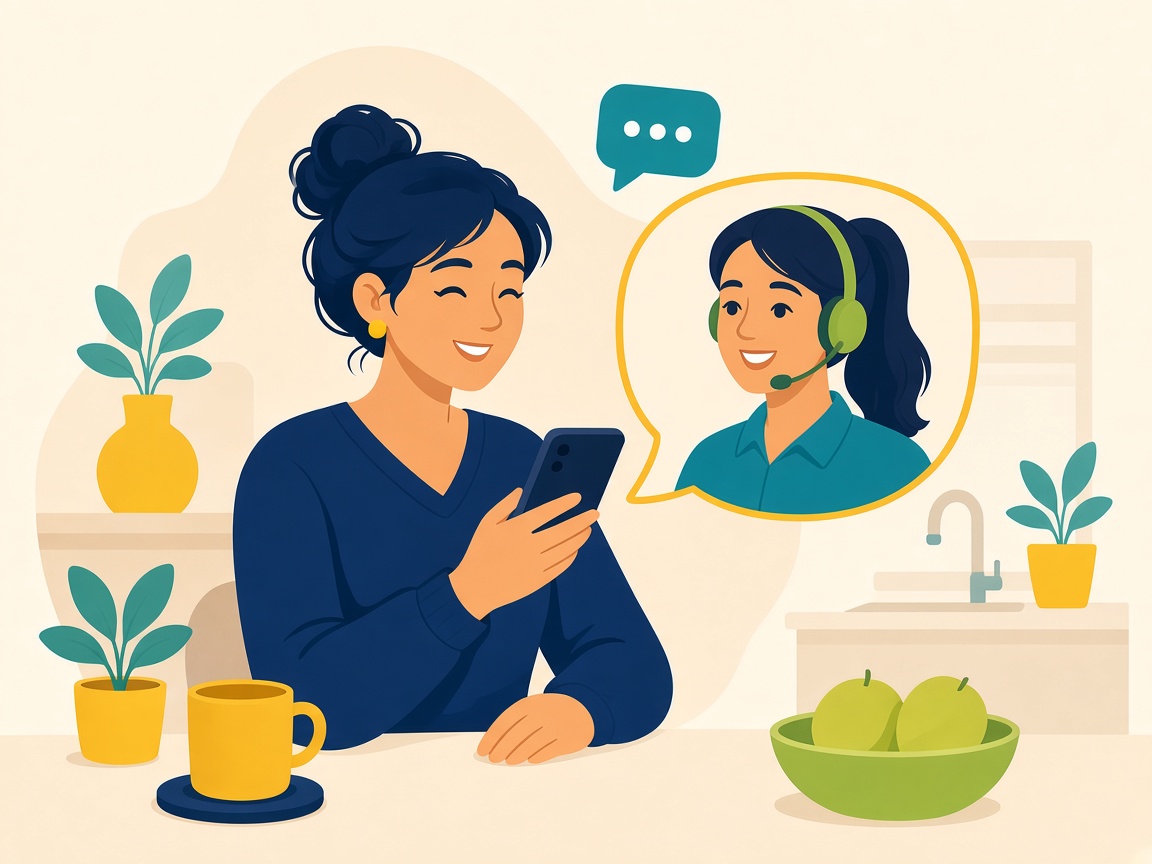
Talk with our team
Fill out the form or call. A team member from your Utah center will reach out to personally discuss your child's challenges.
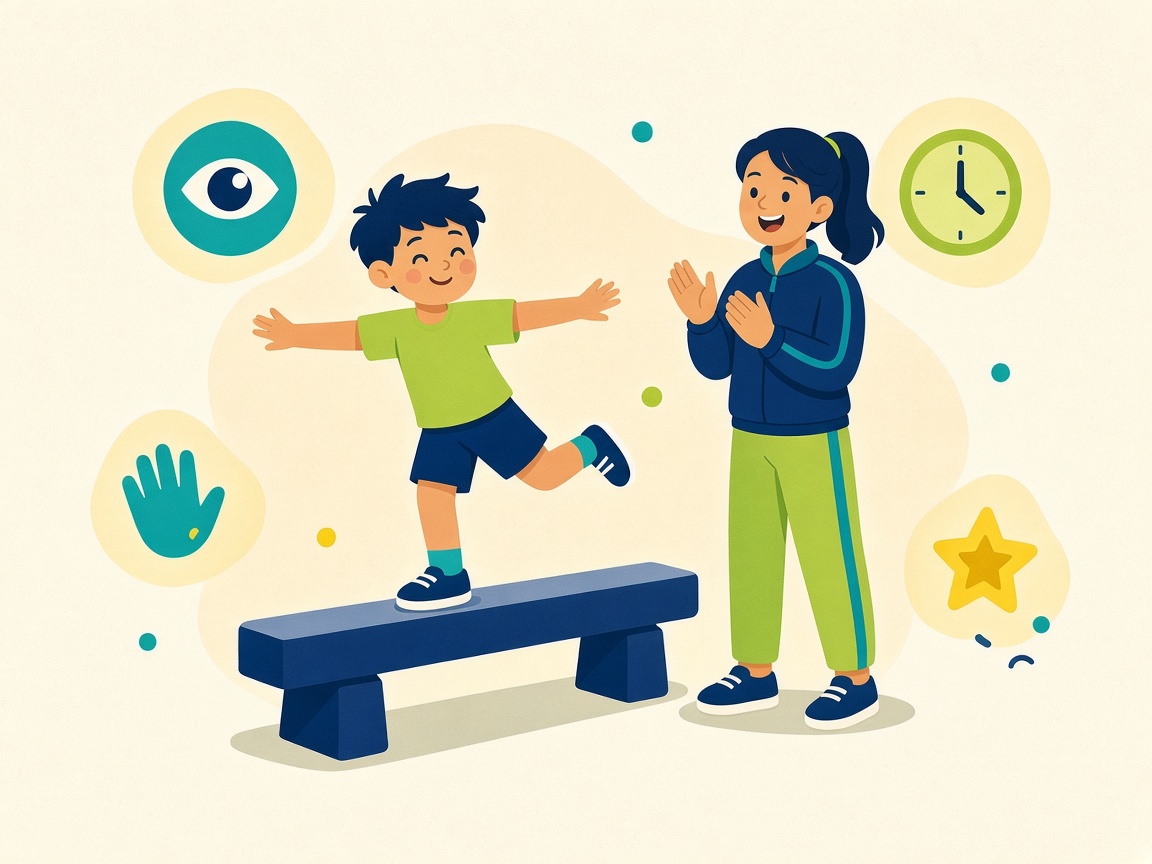
The Assessment (about 2 hours)
Sensory, motor and cognitive activities across six brain domains. It's engaging, and kids often think it's fun.
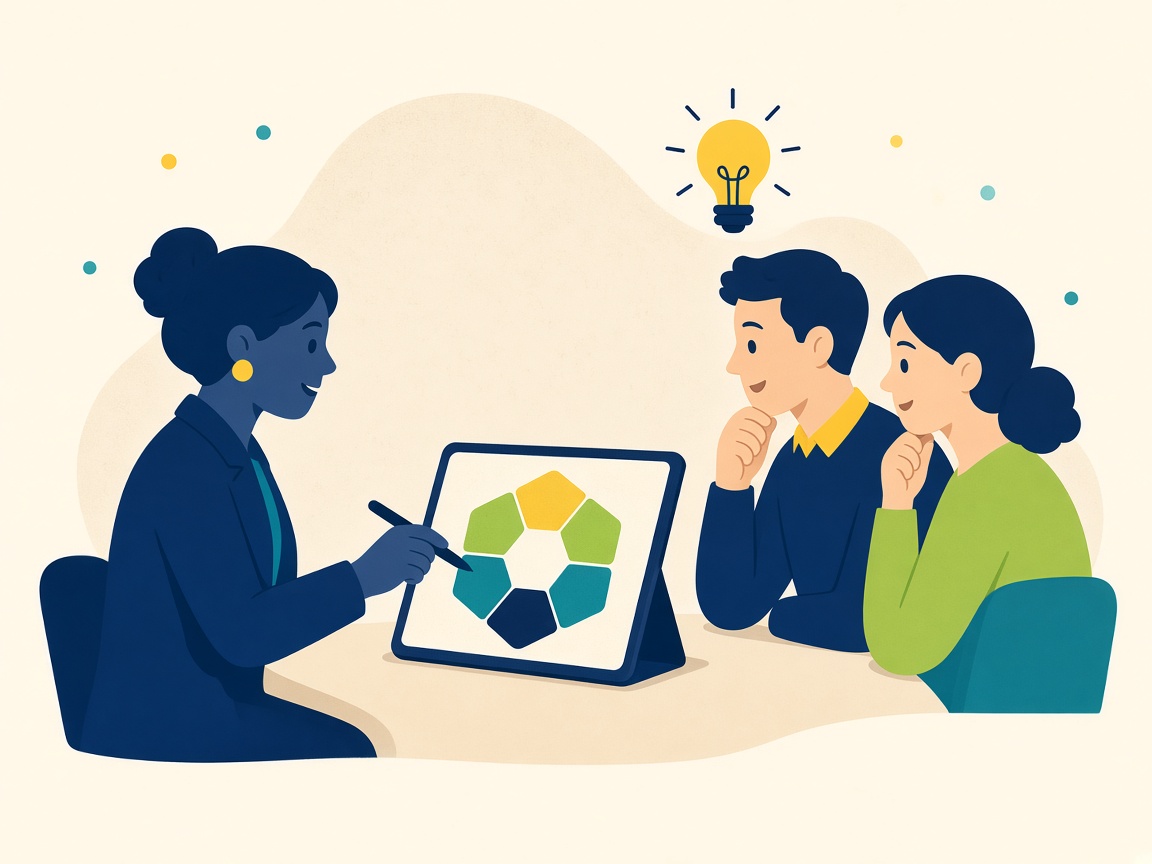
Your results, explained
A Brain Balance specialist walks you through the results in plain language: where your child is, what the gaps are, and why the struggles you see are connected.
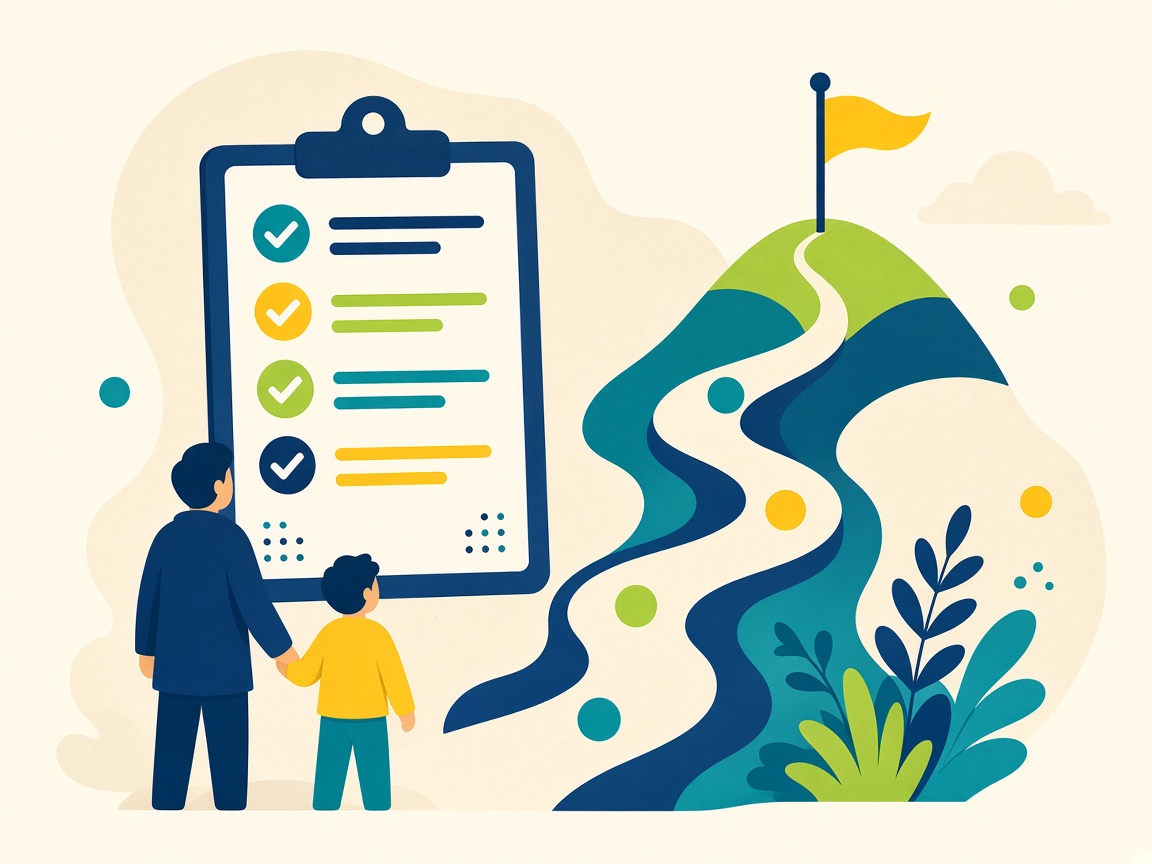
Your personalized plan
If Brain Balance is right for your family, we'll build a program around your child's profile. If it isn't, we'll tell you that too.
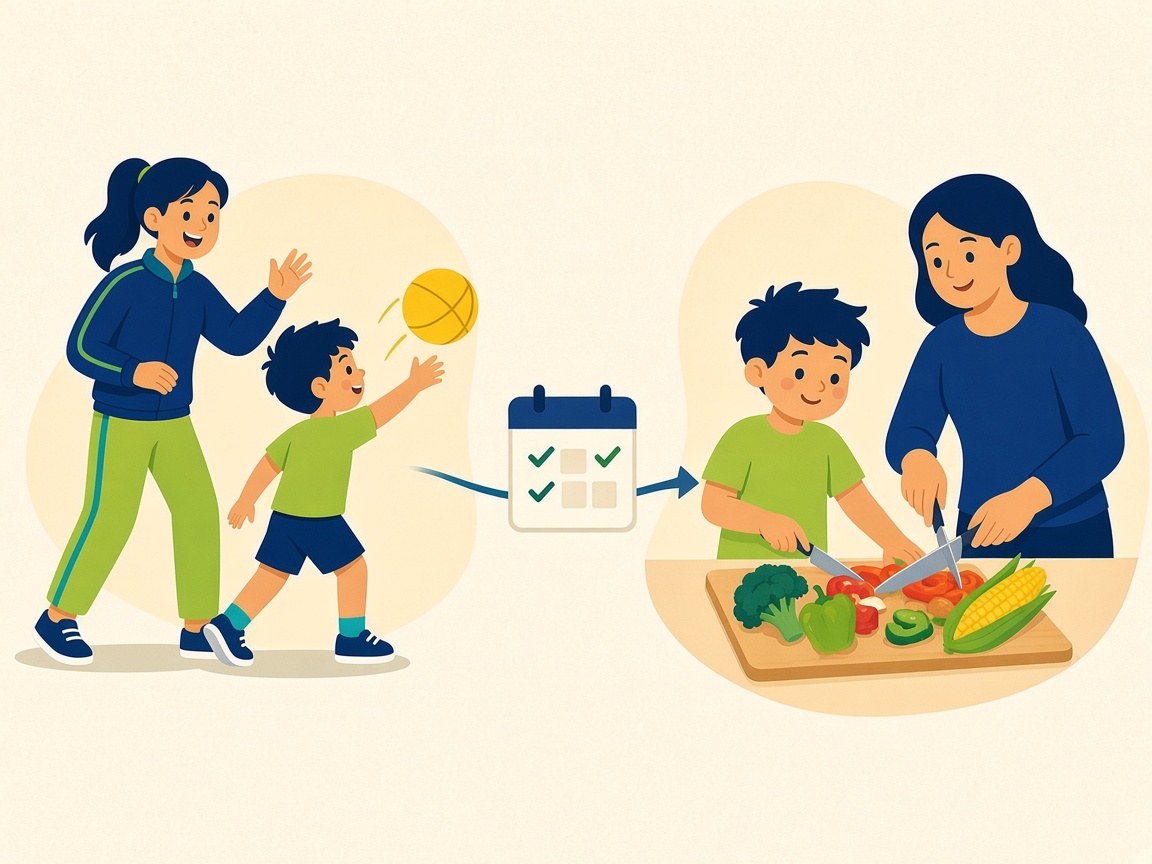
Coaching + at-home routine
In-center sessions with our coaches three times per week (or a parent-led at-home virtual option with weekly video check-ins), plus 1:1 nutrition coaching.
Questions parents ask
No. Many families who come to us have a diagnosis. Many don't. The assessment doesn't require or produce one. Our focus is on understanding the struggles your child experiences and strengthening the connections behind them.
Executive function is the set of brain skills behind getting started, staying organized, managing time and following through. They are brain skills, and they can be strengthened. Our assessment looks at attention, memory, response inhibition and processing speed, the building blocks of executive function, then builds a plan to strengthen them.
Yes. People of all ages can benefit from Brain Balance, and we work with kids, teens and adults. Nationally, Brain Balance offers one format designed for ages 4 to 18 and another geared toward adults, so preteens and teens are welcome.
No. Tutoring works on the schoolwork itself. Brain Balance works on the underlying brain skills with physical, sensory and cognitive activities. In the Cambridge Brain Sciences study, children improved on cognitive tests they never practiced in the program.
About 2 hours. Both parents or guardians should attend if at all possible, and there's no obligation to enroll afterward.
Brain Balance is not covered by health insurance because it is a non-medical program. Many families use HSA/FSA funds, and we accept Utah Fits All (UEFA) funds at both centers. Flexible payment plans and financing options are available.
Funding options
Every child's program is tailored after the assessment. Here is how Utah families fund their care.
UEFA Funds Accepted
Utah Fits All (UEFA) scholarship funds are gladly accepted at both our Orem and South Jordan centers.
HSA / FSA Commonly Used
Many Utah families utilize Health Savings Accounts or Flexible Spending Accounts to cover assessment and program costs.
Flexible Payment Plans
We offer structured monthly payment schedules and financing options to make program investments manageable.
Non-Medical Program
Brain Balance is not covered by health insurance as we are a non-medical, drug-free developmental program.
South Jordan & Utah Valley (Orem)
Our centers are warm, inviting, sensory-friendly environments designed specifically for children and families.
Brain Balance® Utah Valley
Orem, Provo, Lehi, American Fork, Pleasant Grove, Lindon
Brain Balance® South Jordan
South Jordan, West Jordan, Riverton, Herriman, Sandy, Draper
Schedule your discovery call
Tell us a little about your child and we'll reach out to set up your discovery call.
More ways we help
A drug-free ADHD program for kids and teens in South Jordan & Orem. Our 2-hour assessment looks at attention,…
Learn more →
Big emotions, outbursts and slow recovery? Our drug-free, non-medical program strengthens the brain…
Learn more →
Plain-language summaries of the Harvard Medical School McLean Hospital ADHD study (2023) and the Cambridge…
Learn more →
Defiance, outbursts or meltdowns? Our drug-free, non-medical program looks at the brain development beneath…
Learn more →
Worry, separation anxiety or OCD tendencies? Our drug-free, non-medical program looks at how the brain…
Learn more →
Brain Balance is a non-medical program and does not diagnose or treat any disorder. It does not prescribe medication and can work alongside your physician's treatment plan. Individual results may vary.