
Emotional Regulation Help for Kids & Teens in Utah
One minute everything is fine. The next, the wrong cup, a lost game or a change in plans turns into tears, yelling or slammed doors, and it takes forever to calm back down. Emotions swing fast and hard, small setbacks lead to big reactions, and the mood affects the whole family's day.
Emotional regulation is a brain skill. The more mature a child's development, the better their ability to regulate. At Brain Balance of South Jordan and the Brain Balance Center of Utah Valley, we strengthen the connections that help kids pause, cope and respond, so calm becomes the new normal.

How can I help my child regulate their emotions?
Everyday tools like mindfulness, creative expression and physical activity can help children navigate emotions in the moment. If outbursts keep happening, look at what's driving them. Brain Balance's drug-free, non-medical program assesses how your child's brain and body process and regulate, then builds a personal plan of physical, sensory, cognitive and nutrition activities to strengthen self-regulation. No diagnosis required.
Sound familiar?
Dysregulation looks different at every age. Do any of these sound like your home?
Ages 4 to 7
- Meltdowns over small things
- Hard to recover after getting upset
- Overwhelmed by noise, lights, crowds or touch
- Big reactions when plans change
Ages 8 to 12
- Emotions swing fast and hard
- Small setbacks lead to big reactions
- Cries, yells or shuts down when stressed
- Mood affects the whole family's day
Teens (13 to 18)
- Emotional volatility
- Blurts hurtful things without thinking about the consequences
- Often seems unhappy or withdraws
- Struggles hit harder as expectations rise
A sensory meltdown and a temper tantrum can look alike, but they have different causes. Sensitivity to noise, lights, crowds or touch can overload a child, and the reaction can look like a behavior problem.
What we focus on
Regulation depends on several systems working together. The program is built to strengthen them, not just to manage the moment.
Stress response
Immaturity in the autonomic nervous system can make it harder to regulate emotional responses.
Sensory processing
When the senses are easily overloaded, everyday places like classrooms and stores can feel overwhelming.
Impulse control
The prefrontal cortex manages impulsive reactions, and for some kids it develops later.
How the Brain Balance program helps
- 1
An assessment (about 2 hours)
Sensory, motor and cognitive activities across six brain domains. Gaps in these domains often show up as everyday struggles in school, sports, home tasks or emotional self-regulation.
- 2
A personal plan
Physical, sensory and cognitive activities to strengthen the connections behind self-regulation, plus 1:1 nutrition coaching.
- 3
Coaching every week
Three in-center sessions with our coaches, about an hour each, or the parent-led at-home virtual option with weekly video check-ins.

What the research says
In a review of four years of parent surveys (Journal of Mental Health and Clinical Psychology, 2020), 75% of children showed up to 25% improvement in anxiety and emotional functioning after 5 to 6 months in the program. The 11 areas parents rated included mood regulation, emotional regulation and emotional self-awareness.
A 2023 study of 4,041 children and teens (Frontiers in Psychology) found large to very large effect sizes across six developmental domains, including negative emotionality, after 3 months. Children with the most severe difficulties at the start showed the greatest improvements. Both studies used parent-reported measures without a randomized control group, and the 2023 study had no control group.
Individual results may vary.
See all the researchHow the Brain Balance journey works
From your very first phone call to celebrating milestones, here is what you and your child can expect.
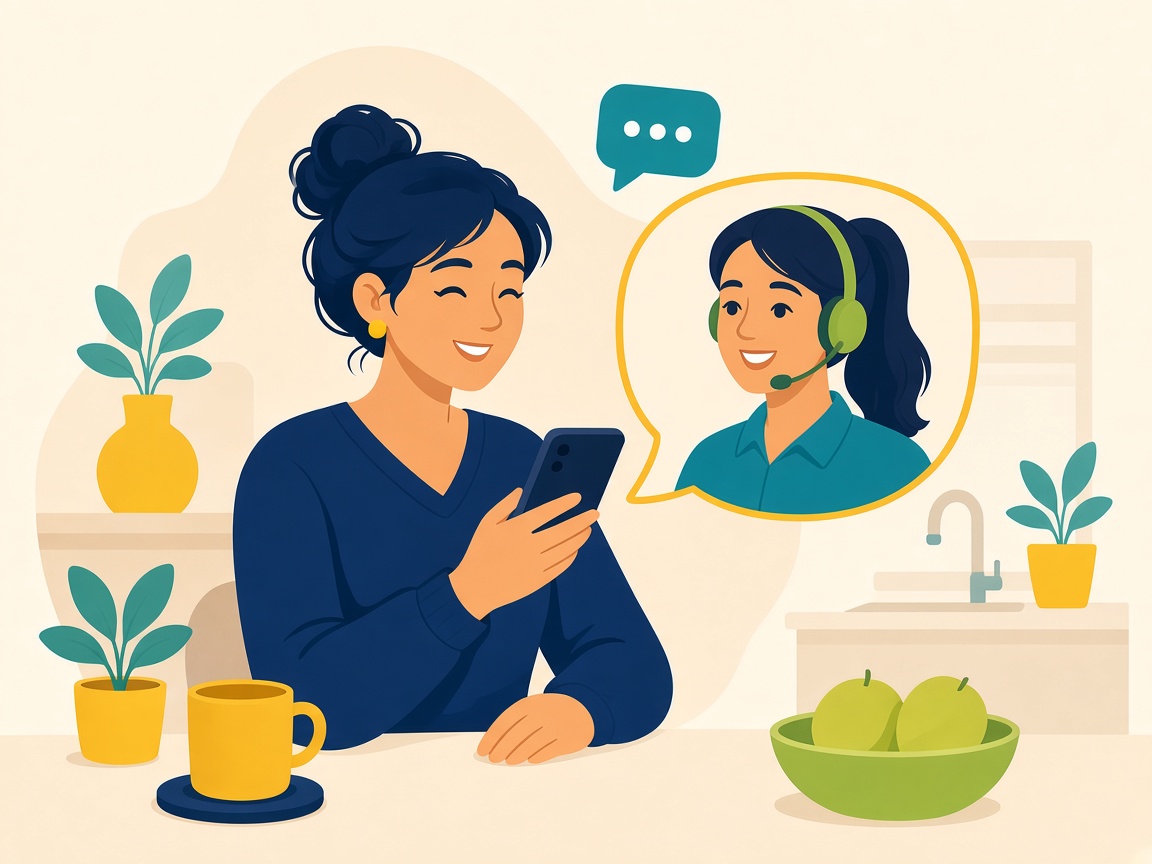
Talk with our team
Fill out the form or call. A team member from your Utah center will reach out to personally discuss your child's challenges.
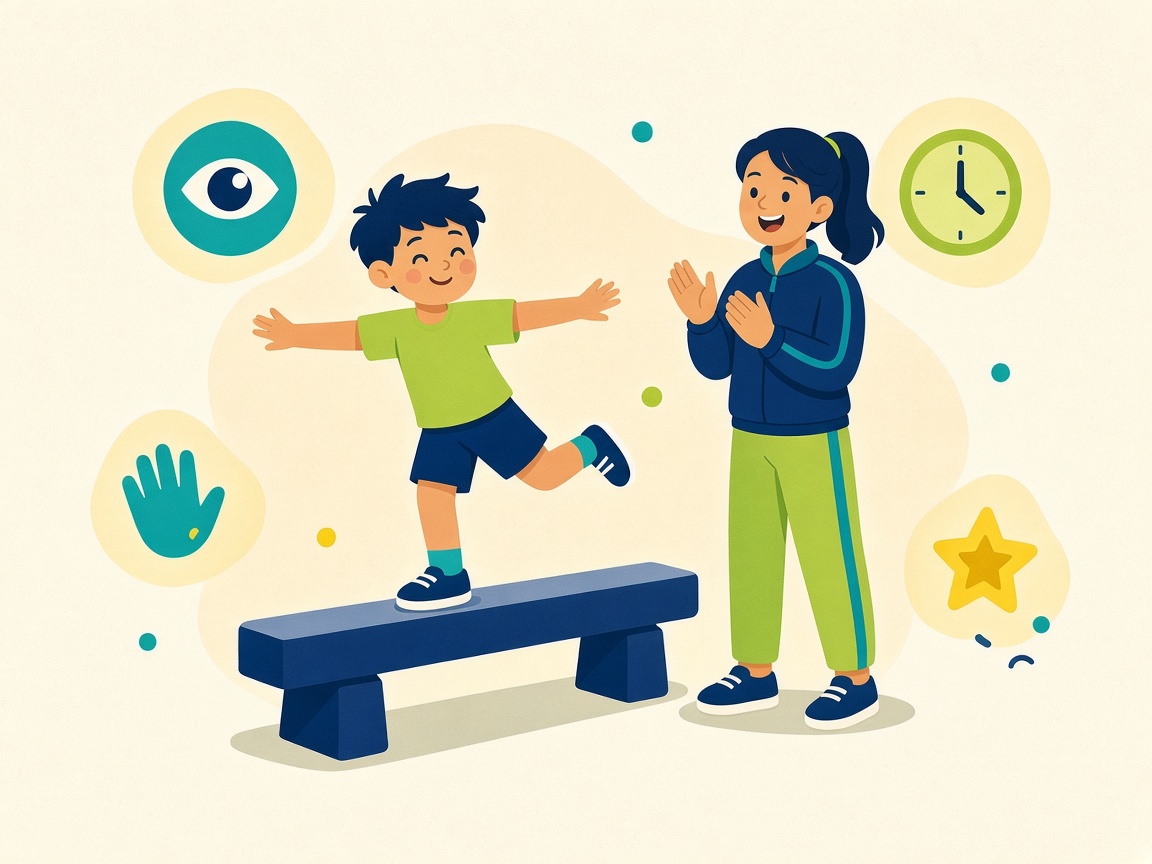
The Assessment (about 2 hours)
Sensory, motor and cognitive activities across six brain domains. It's engaging, and kids often think it's fun.

Your results, explained
A Brain Balance specialist walks you through the results in plain language: where your child is, what the gaps are, and why the struggles you see are connected.

Your personalized plan
If Brain Balance is right for your family, we'll build a program around your child's profile. If it isn't, we'll tell you that too.
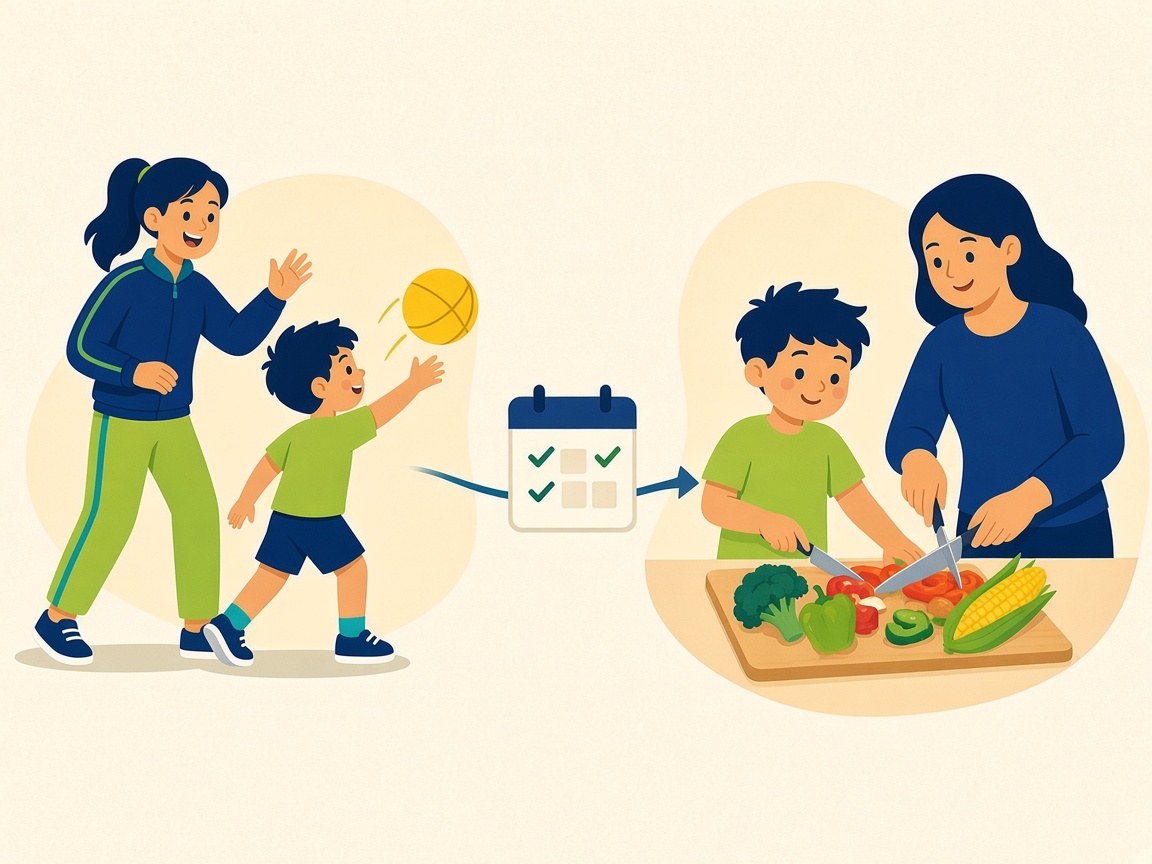
Coaching + at-home routine
In-center sessions with our coaches three times per week (or a parent-led at-home virtual option with weekly video check-ins), plus 1:1 nutrition coaching.
Questions parents ask
It's the ability to pause, cope and respond when feelings run high, and to recover afterward. It depends on brain development, which is why some kids find it much harder than others.
No. Brain Balance is a drug-free, non-medical program, not therapy, and it does not diagnose or treat any disorder. It can work alongside the care your child already has.
No. Many families who come to us have a diagnosis. Many don't. The assessment doesn't require or produce one.
Yes. People of all ages can benefit from Brain Balance, and we work with kids, teens and adults. Nationally, Brain Balance offers one format designed for ages 4 to 18 and another geared toward adults, so preteens and teens are welcome.
Your child can work onsite at your local Brain Balance center with our coaches three times per week, about an hour each session. We also offer an at-home virtual option that is parent-led, with weekly video check-ins from your program coach. An at-home routine of exercises and nutrition rounds out the week.
Brain Balance is not covered by health insurance because it is a non-medical program. Many families use HSA/FSA funds, and we accept Utah Fits All (UEFA) funds at both centers. Flexible payment plans and financing options are available.
Funding options
Every child's program is tailored after the assessment. Here is how Utah families fund their care.
UEFA Funds Accepted
Utah Fits All (UEFA) scholarship funds are gladly accepted at both our Orem and South Jordan centers.
HSA / FSA Commonly Used
Many Utah families utilize Health Savings Accounts or Flexible Spending Accounts to cover assessment and program costs.
Flexible Payment Plans
We offer structured monthly payment schedules and financing options to make program investments manageable.
Non-Medical Program
Brain Balance is not covered by health insurance as we are a non-medical, drug-free developmental program.
South Jordan & Utah Valley (Orem)
Our centers are warm, inviting, sensory-friendly environments designed specifically for children and families.
Brain Balance® Utah Valley
Orem, Provo, Lehi, American Fork, Pleasant Grove, Lindon
Brain Balance® South Jordan
South Jordan, West Jordan, Riverton, Herriman, Sandy, Draper
Schedule your discovery call
Tell us a little about your child and we'll reach out to set up your discovery call.
More ways we help
Defiance, outbursts or meltdowns? Our drug-free, non-medical program looks at the brain development beneath…
Learn more →
Worry, separation anxiety or OCD tendencies? Our drug-free, non-medical program looks at how the brain…
Learn more →
Bright but distracted or disorganized? Our drug-free program looks at attention, memory and executive…
Learn more →
A drug-free ADHD program for kids and teens in South Jordan & Orem. Our 2-hour assessment looks at attention,…
Learn more →
Plain-language summaries of the Harvard Medical School McLean Hospital ADHD study (2023) and the Cambridge…
Learn more →
Brain Balance is a non-medical program and does not diagnose or treat any disorder. It does not prescribe medication and can work alongside your physician's treatment plan. Individual results may vary.